The Complete Guide to Types of Ramen
Also must try ramen in Melbourne.
The Complete Guide to Ramen Types: Tonkotsu, Miso, Shoyu and Beyond
If you’ve ever stood at a ramen counter staring at a menu full of names you don’t quite recognise, you’re not alone. Ramen has more variations than most people realise, and the difference between a tonkotsu and a shoyu isn’t just the colour of the broth. Each style has its own history, its own region in Japan, and its own personality.
This guide breaks down the main types of ramen you’ll find in Melbourne, what makes each one different, and how to know which one to order.
What Is Ramen, Really?
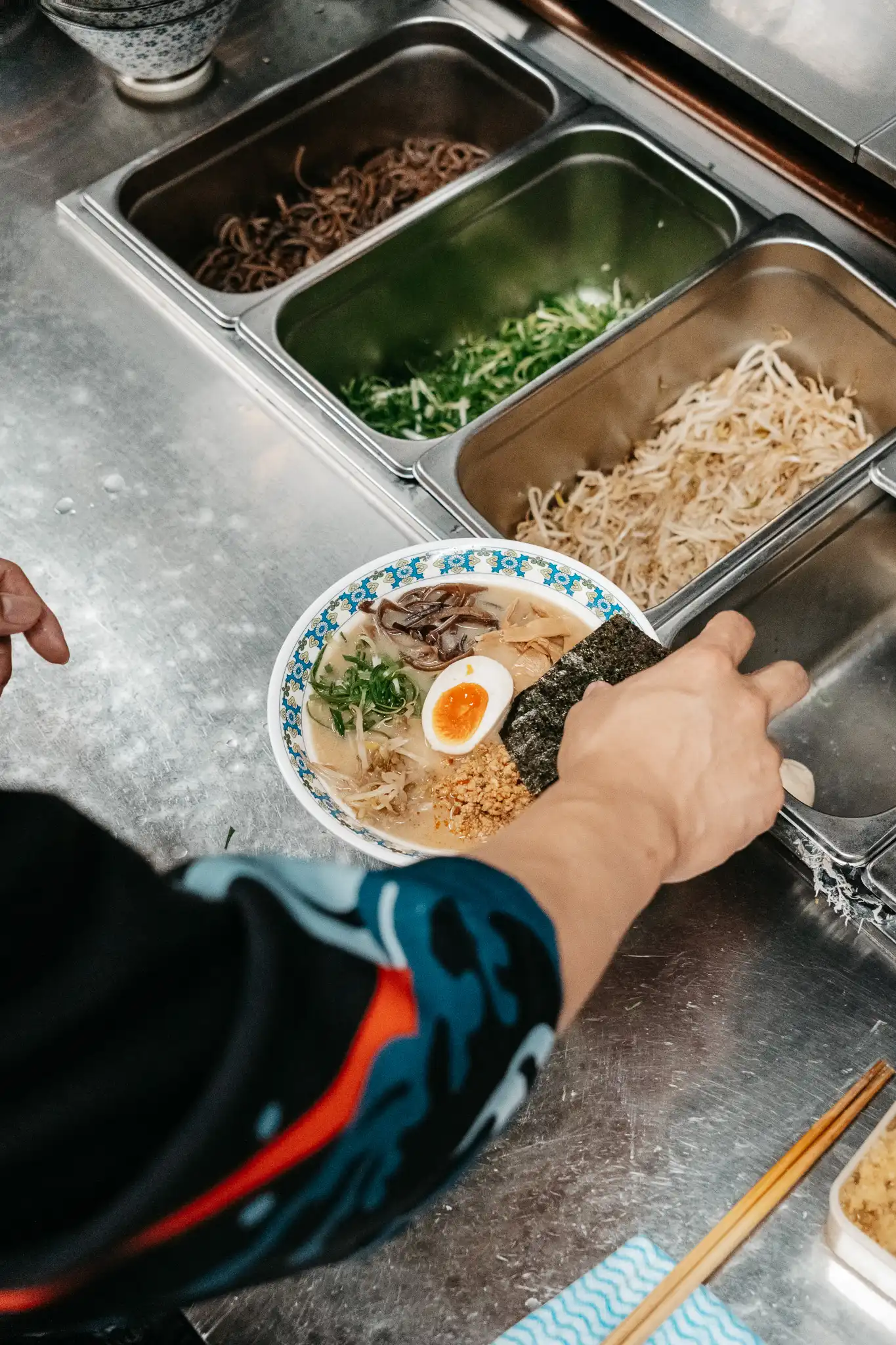
Ramen is a Japanese noodle soup with four core elements: the broth, the tare (a concentrated seasoning base), the noodles, and the toppings. The combination of those four elements is what defines each style of ramen.
The broth is usually built from pork bones, chicken, or seafood, cooked for hours to extract flavour and richness. The tare is added at the bottom of the bowl just before the broth is poured in, and it’s the tare that gives a ramen its primary flavour identity, whether that’s soy sauce, miso, salt, or something else entirely. Fresh wheat noodles go in next, then toppings like marinated egg, sliced pork, bamboo shoots, seaweed, and scallions complete the bowl.
That’s the structure. Now let’s break down the styles.
Tonkotsu Ramen
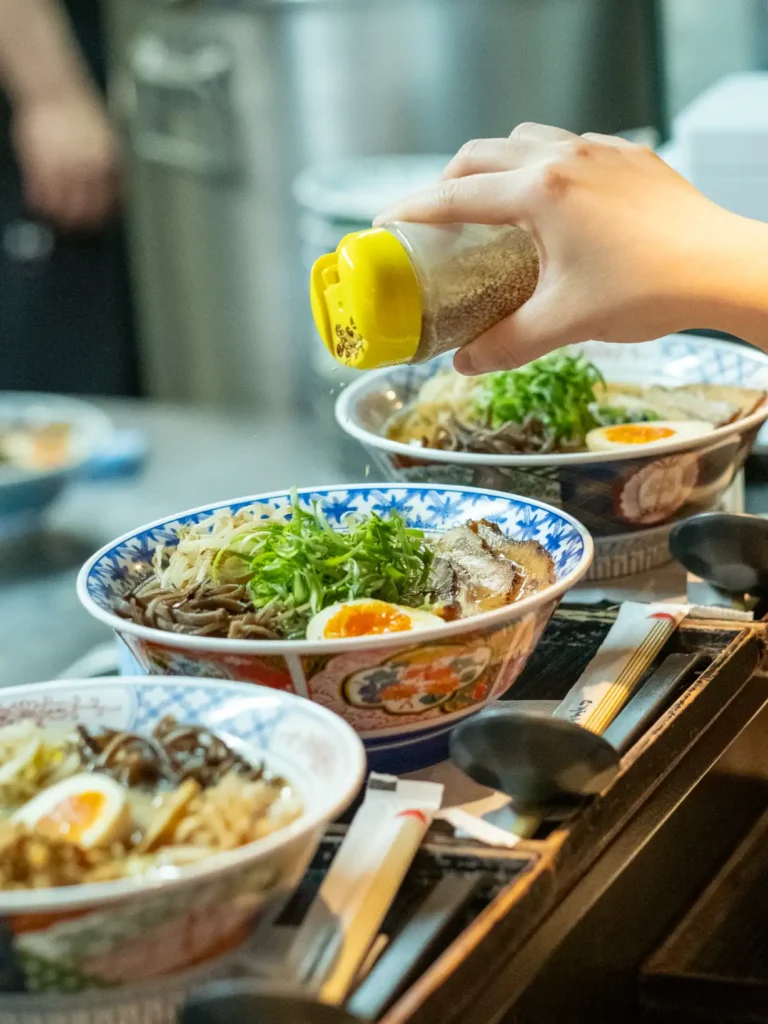
Tonkotsu means “pork bone” in Japanese, and it’s exactly what it sounds like. Pork bones are simmered for 10 to 20 hours until the collagen, fat, and marrow break down into the broth, creating a thick, creamy, milky-white soup. It’s rich, deeply savoury, and one of the most popular ramen styles outside Japan.
Tonkotsu comes from Kyushu in southern Japan, specifically the city of Fukuoka, where it’s known as Hakata-style ramen. The noodles in classic tonkotsu are usually thin and straight, designed to hold up against the heavy broth without becoming overwhelmed by it.
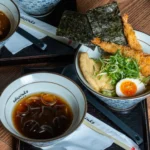
If you’ve been to a Shujinko restaurant, tonkotsu is the broth we built our brand on. Our Shujinko Tonkotsu Ramen is slow-cooked for over 12 hours from pork bones with no powders or shortcuts, served with aburi pork belly, marinated egg, bean shoots, scallion, black fungus, and seaweed.
Try tonkotsu if you like: Rich, creamy, deeply savoury flavours. It’s the closest ramen comes to comfort food.
Miso Ramen
Miso ramen uses miso paste, a fermented soybean paste, as the base of its tare. The result is a hearty, slightly sweet, full-bodied broth with a deep umami character that’s different from tonkotsu’s pork-driven richness.
Miso ramen comes from Hokkaido, Japan’s coldest island, where it was created in the post-war period. The cold climate is part of the reason this style developed the way it did, with a thicker broth, hearty toppings like corn and butter, and a warming richness that’s perfect for winter dining.
Miso ramen is also the base for some of Japan’s most loved variations, including spicy miso ramen, which adds chilli paste to the broth, and miso vegetable ramen, which uses a vegetarian miso base with seasonal vegetables. Both are available across the Shujinko menu.
Try miso if you like: Hearty, warming, slightly sweet broths. Perfect for Melbourne winters.
Shoyu Ramen
Shoyu means “soy sauce,” and shoyu ramen is one of the oldest and most traditional ramen styles. The broth is typically a clear, brown chicken or pork stock seasoned with soy sauce, giving it a salty, savoury, and aromatic finish without the heaviness of tonkotsu or miso.
Shoyu ramen comes from Tokyo, where it became the standard urban ramen style in the early 20th century. The noodles are usually curly and medium-thick, and the toppings tend to be classic: chashu pork, nori (seaweed), menma (bamboo shoots), and a soft-boiled egg.
It’s the ramen most often eaten in Japan as an everyday meal. If tonkotsu is special-occasion ramen, shoyu is the ramen Japanese people grew up with.
Try shoyu if you like: Lighter, cleaner, more traditional flavours. A great introduction to ramen.
Shio Ramen
Shio means “salt,” and shio ramen is the oldest style of ramen, dating back to ramen’s earliest days in Japan. The tare is salt-based, and the broth is usually a light chicken or seafood stock. The result is the cleanest and most delicate ramen style, almost transparent in colour, with a refined, savoury flavour that lets the broth itself shine.
Shio ramen comes from Hakodate in Hokkaido. The toppings are typically minimal, often just a few thin slices of pork, scallions, and bamboo shoots, with the broth doing most of the work.
Try shio if you like: Light, delicate, refined flavours. The thinking person’s ramen.
Karakuchi Ramen (Spicy Tonkotsu)
Karakuchi is a spiced variation of tonkotsu, where the rich pork bone broth is layered with a chilli-based spice blend. The heat builds slowly and sits underneath the richness of the broth rather than overpowering it.
It’s a popular style across modern ramen restaurants because it gives the tonkotsu lovers a way to add spice without losing the broth’s character. Our Karakuchi Ramen is one of the most ordered bowls at our Glen Waverley and Brunswick restaurants.
Try karakuchi if you like: Tonkotsu but want some warmth and spice without it taking over.
Black Ramen
Black ramen is a modern variation that uses a smoky, seafood-forward tonkotsu base. The “black” comes from a signature blend of bonito (dried skipjack tuna) and other seafood elements that give the broth a deeper, more complex umami flavour and a darker colour than standard tonkotsu.
It’s not a traditional Japanese style in the same way as tonkotsu or shoyu, but it’s become a signature of modern ramen menus. Shujinko Black Ramen is one of the bowls regulars come back for once they’ve tried the rest of the menu.
Try black ramen if you like: Smoky, seafood-driven, deeply layered flavours. Different from anything else on the menu.
Tsukemen (Dipping Ramen)
Tsukemen is technically a separate dish from ramen, but it deserves a place in this guide. Instead of the broth and noodles being served together, tsukemen serves them apart. The noodles, usually thicker and chewier than regular ramen noodles, come at room temperature or chilled. The broth comes hot, concentrated, and intense, in a separate bowl. You dip the noodles into the broth a few at a time, slurp, and repeat.
Tsukemen lets the broth flavour hit harder because it’s not diluted by sitting in the bowl with the noodles. It’s a different ramen experience and one that’s hard to find done well in Melbourne.
Try tsukemen if you like: A more interactive, hands-on ramen experience with bold, concentrated flavours.
Yakisoba and Yaki Ramen
Not all ramen is soup-based. Yakisoba (literally “fried noodles”) and yaki ramen are stir-fried noodle dishes that use ramen-style noodles tossed with vegetables, meat, and a sweet-savoury sauce. They’re closer to a stir-fry than a soup, and they’re a popular alternative for diners who want the noodles without the broth.
Yakisoba traces back to early 20th century Japan and became a street food staple thanks to its quick preparation and bold flavours. Our Yakisoba Ramen uses house-soy sauce, smoked pork, and seasonal vegetables.
Try yakisoba if you like: Stir-fried, bold, slightly sweet flavours. A great option when you don’t feel like soup.
Volcano Ramen
Volcano ramen is the spiciest end of the ramen spectrum. It’s not a traditional Japanese style but a modern bowl built around a fiery chilli-spiked broth, designed for diners who want their ramen to actually challenge them. The broth is typically pork-based, loaded with spiced meat and balanced by fresh vegetables to give your mouth a moment of relief between slurps.
Shujinko’s Volcano Ramen is the spiciest bowl on our menu and earns its name. If you’ve worked your way through the karakuchi and you’re ready for more heat, this is where you go next.
Try volcano if you like: Heat. Real heat. The kind that makes your nose run a little.
How to Choose Your Ramen
If you’re new to ramen, start with tonkotsu. It’s the most universally loved style and the easiest way to understand what good ramen tastes like.
If you want something lighter, try shoyu or shio.
If you want hearty and warming, especially in winter, go with miso.
If you want spice, work your way up: miso, then karakuchi, then volcano.
If you want something different from a standard bowl, try black ramen or tsukemen.
Once you’ve tried a few styles, you’ll start to understand which flavours you gravitate toward, and that’s when ramen really starts to make sense.
Try Every Style at Shujinko
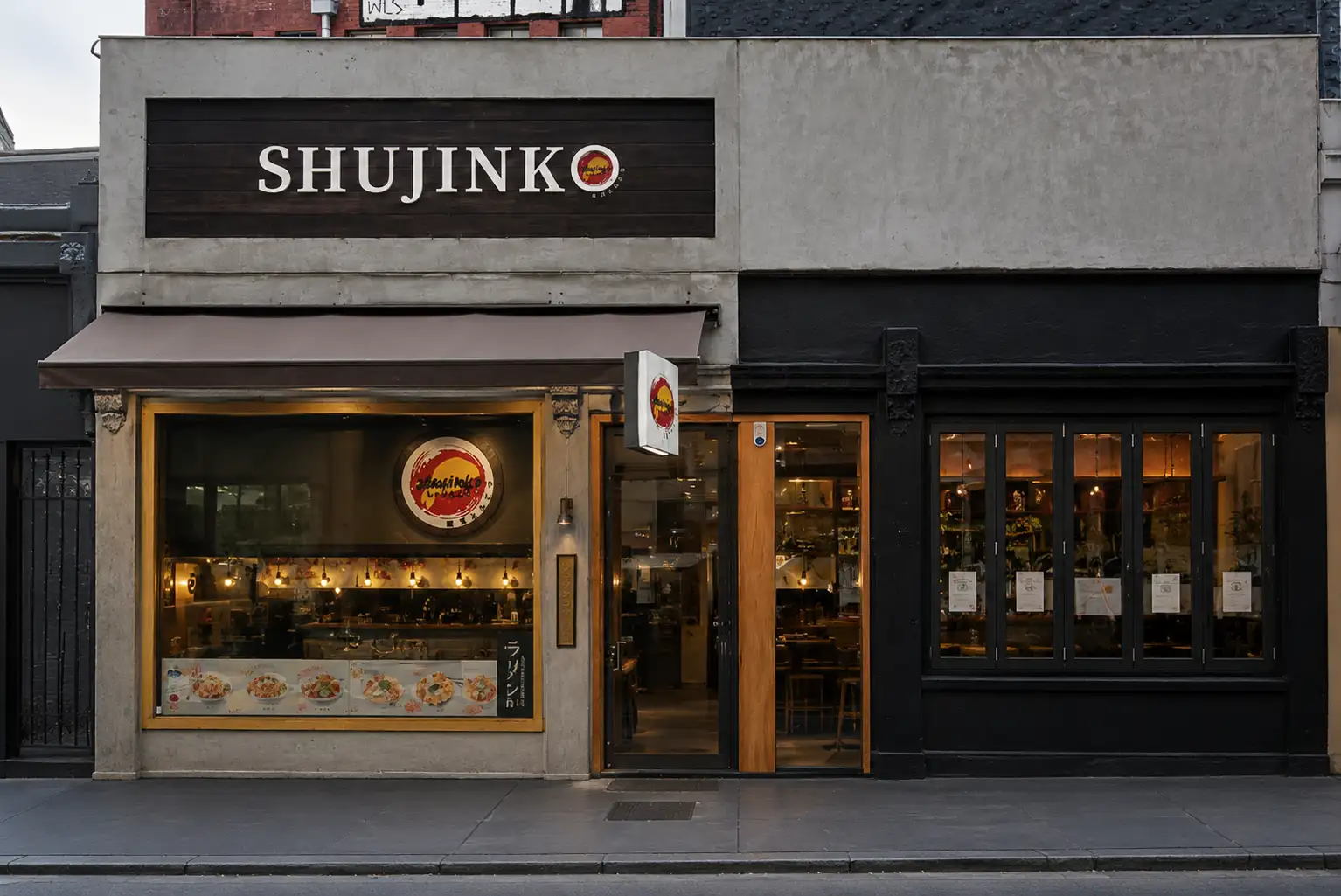
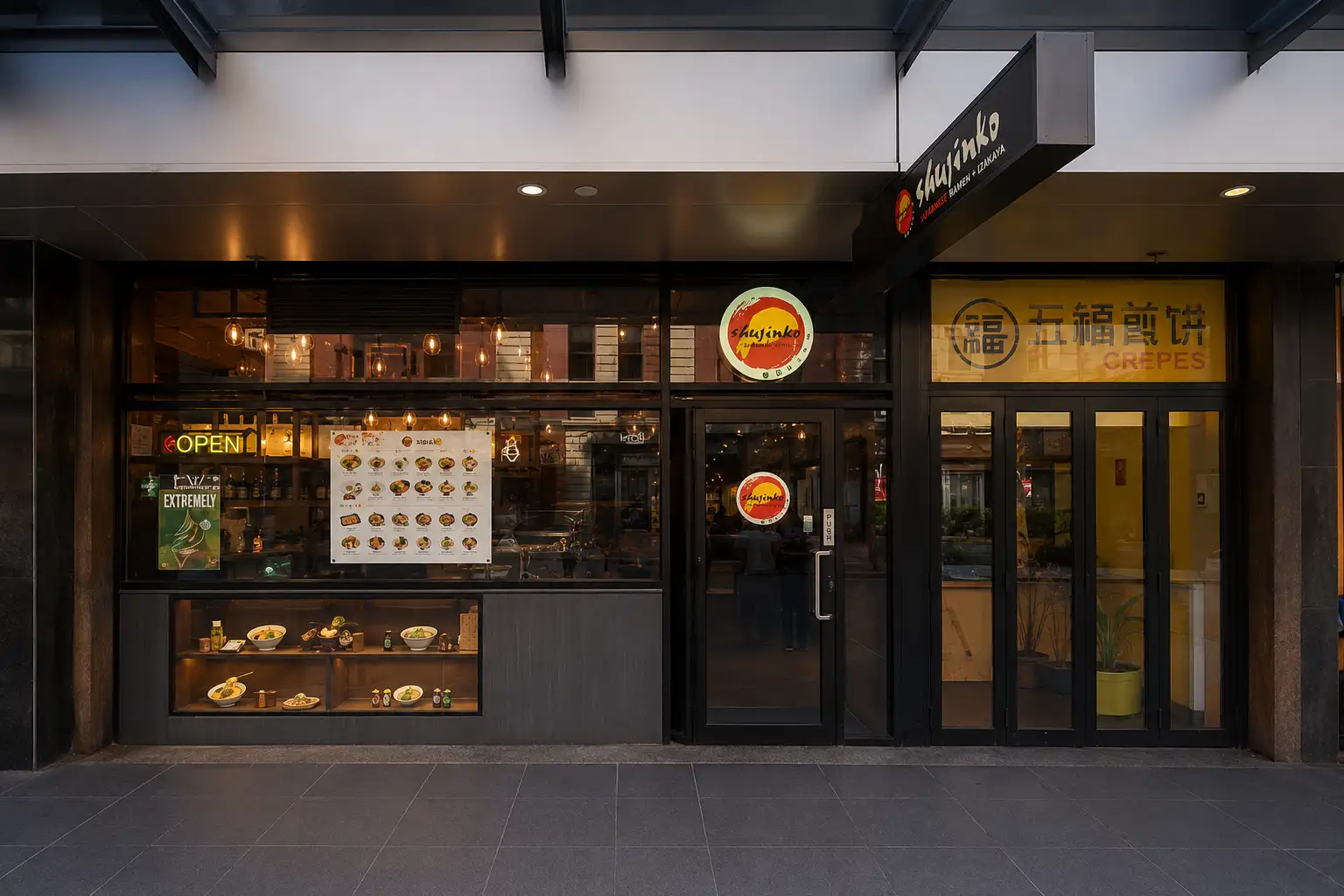
Shujinko serves the full range of ramen styles across our six Melbourne restaurants. From the signature tonkotsu to spicy karakuchi, hearty miso, smoky black, vegetarian options, and the fiery volcano, every bowl is made fresh from a 12-hour broth using daily-sourced ingredients.
Find your nearest Shujinko location and come try the one that’s right for you. Or view the full menu to plan your order before you arrive.
Shujinko ramen was hands down the best ramen I tried on my recent trip to Melbourne. Love it.